
Oil seal manufacturing workflows with ERPNext
Oil seal manufacturing workflows with ERPNext
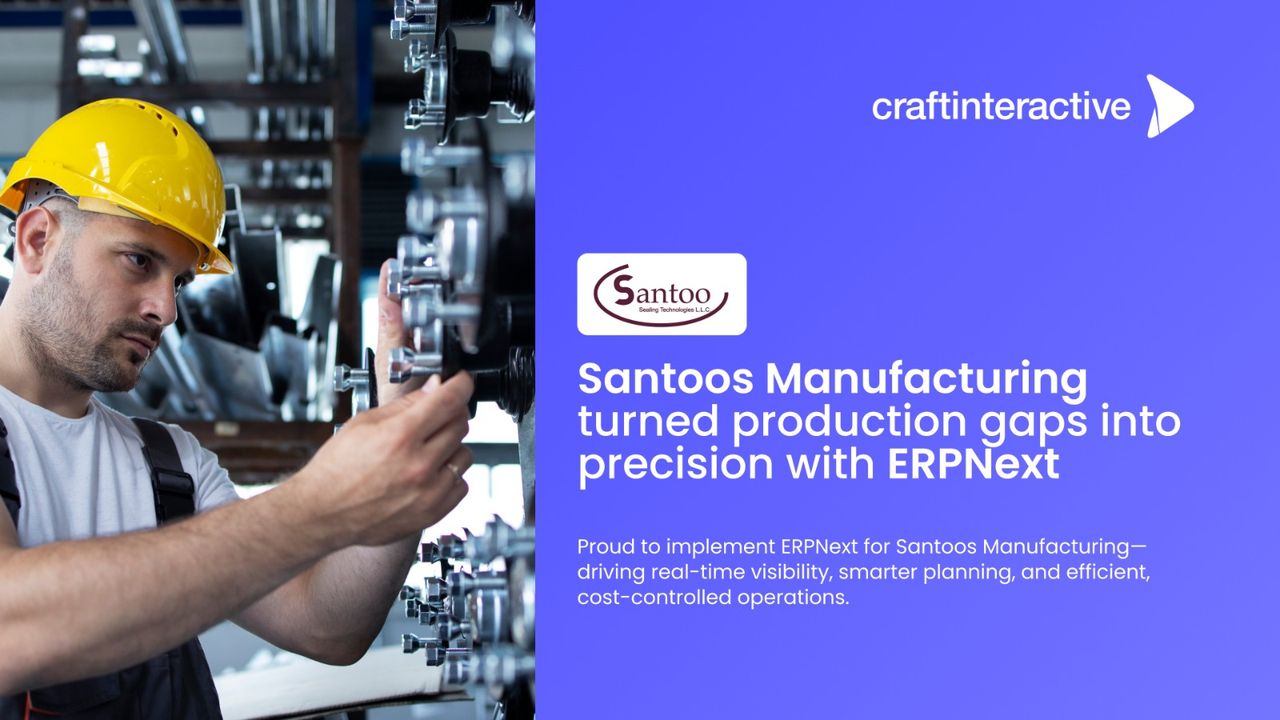
From Production Gaps To Precision: ERPNext Transformation In Oil Seal Manufacturing
Oil seal manufacturing is a process-intensive environment where precision, timing, and coordination define success. From raw material preparation to final inspection, every stage must be aligned to maintain product quality and delivery commitments.
However, when workflows rely on disconnected systems or manual processes, inefficiencies begin to appear — impacting production speed, inventory accuracy, and decision-making.
ERPNext enables a structured approach to workflow automation, transforming oil seal manufacturing into a more controlled, efficient, and data-driven operation.
Understanding Oil Seal Manufacturing Workflows
A typical oil seal manufacturing process involves multiple stages:
- Raw material planning (rubber compounds, metal components)
- Molding and curing processes
- Trimming and finishing
- Quality inspection and testing
- Packing and dispatch
Each stage depends on accurate inputs and timely coordination. Any gap in visibility or delay in communication can affect the entire production cycle.
Key Workflow Challenges
Without an integrated system, common challenges include:
- Limited visibility into production progress
- Inventory mismatches and material shortages
- Lack of coordination between procurement, production, and dispatch
- High dependency on manual data entry
- Delayed or reactive decision-making
ERPNext Approach To Workflow Automation
ERPNext addresses these challenges by aligning system workflows with actual manufacturing processes:
- Digitizing production stages through structured work orders
- Centralizing data across departments
- Automating routine and repetitive tasks
- Synchronizing material planning with production schedules
- Providing real-time operational visibility
Workflow Automation In Action
🔧 Production Workflow Automation
- Work orders track each stage — molding, curing, finishing, inspection
- Real-time updates ensure accurate production status
📦 Inventory Automation
- Automatic stock updates based on material consumption and production output
- Reduced discrepancies between physical and system stock
🔗 Procurement Synchronization
- Material requirements automatically linked to production plans
- Timely procurement reduces delays
⚙️ Process Automation
- Reduced manual intervention in routine tasks
- Faster approvals and workflow transitions
📊 Real-Time Insights
- Dashboards provide live visibility into production, inventory, and orders
- Enables proactive decision-making
Impact Of Workflow Automation
Implementing ERPNext in oil seal manufacturing leads to:
- Improved production planning and scheduling
- Higher inventory accuracy and control
- Faster and more consistent workflows
- Better coordination across departments
- Data-driven decision-making with real-time insights
Key Takeaways
- Workflow automation is essential for precision manufacturing
- Real-time visibility reduces operational risks
- Integrated systems eliminate process gaps
- Automation improves both speed and accuracy
Conclusion
Oil seal manufacturing demands consistency, control, and efficiency at every stage.
The result is a more streamlined, transparent, and scalable manufacturing environment built for long-term operational success.